I take nothing from the seller
No commission from vendors, no commission from estate agents, ever. There's nothing on the other side of the table quietly paying me to leave your money on it.

Most people asking about a sourcer's fee are really asking a different question: who else is paying you, and what's that doing to my price. So here's the whole model, including the parts that aren't in my favour.
The figure itself depends on the type of purchase, so I quote it on the first call and put it in writing before any work starts.
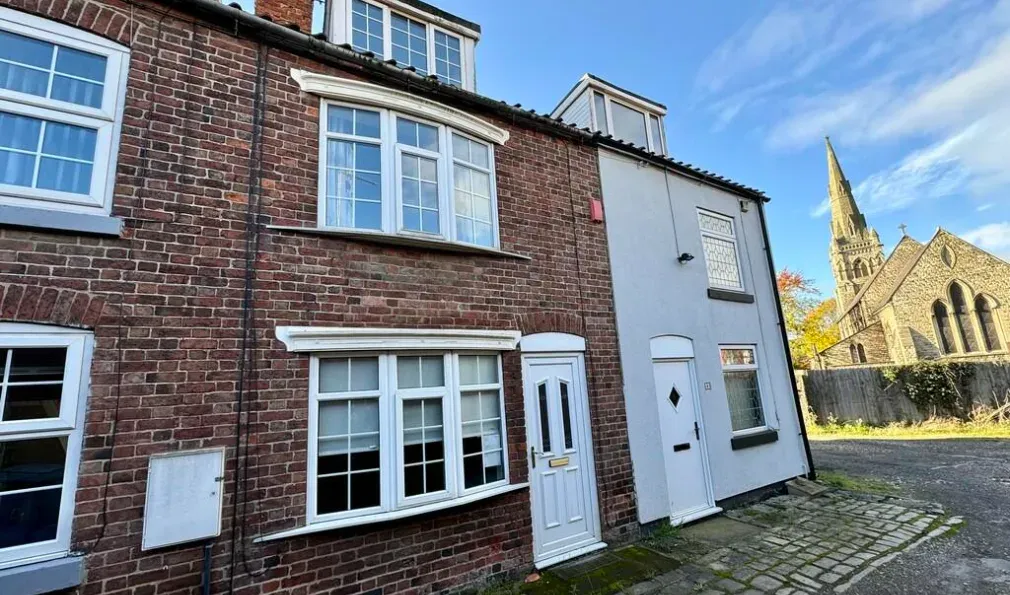
No commission from vendors, no commission from estate agents, ever. There's nothing on the other side of the table quietly paying me to leave your money on it.
A fixed fee, not a percentage of the purchase price. You know the number before I start, and it doesn't move because the property turned out to be worth more than I thought.
10% on instruction, 40% at memorandum of sale, 50% on completion. If I never find you something you want to buy, I never get paid the rest.
Plenty of buying agents charge a percentage of the purchase price. It sounds fair. It's the single worst way to pay someone who is supposed to be negotiating on your behalf.
Think about what it does to the incentive. If the fee is a slice of what you pay, then every pound knocked off the price also comes off the fee. The person you hired to push the price down gets paid less each time they succeed.
Nobody says this out loud. They don't have to. The pull is quiet: a bit less enthusiasm about the second round of negotiation, a bit more talk about how competitive the market is, a nudge toward accepting the asking price so everyone can move on.
A fixed fee kills that conflict outright. I'm paid the same whether you pay full price or well under it. So there's no version of this where it pays me to let you overspend.
One fee, split across three points in the process. The order matters: the small part is at the start, when I've done nothing yet, and the biggest part is at the end, when you have the keys.
When you sign the agreement and I start the search. This covers the terms being set and the anti-money laundering checks being run.
When a property you chose has been agreed at a price you accepted, and the solicitors are being instructed.
When the purchase completes and you have the keys. The largest share of my fee sits at the very end, where I can only earn it by finishing.
Which means nine tenths of what you pay me is contingent on me actually delivering a property you chose to buy. If the purchase falls through, the search restarts and there's no second fee.
Tenantable or close to it. Source, view, check, negotiate, progress to completion, hand over. This is the baseline fee and the one most clients pay.
More work, so it costs more. Scoping the works, pricing them properly before you commit, and managing the trades afterwards is a different job from buying something that's already fit to let. I tell you which category your brief falls into on the first call.
A sourcing fee isn't the only cost of buying a property, and any page that implies otherwise is selling you something. Here's the line between my work and everyone else's bill.
None of the above is paid to me. I don't take a margin on any of it, and I don't mark up a builder's quote. You pay those people directly.
Property sourcing is a low barrier trade. Anyone can print a business card. The consistent pattern in the bad stories isn't incompetence, it's a fee structure the buyer never fully understood.
Watch for the sourcer who is vague about who pays them, the one taking a fee from you and a commission from the vendor on the same deal, the one who wants a large payment before doing any work, and the one selling you a property they have an interest in.
Ask the questions on the right of every sourcer you speak to. Mine are answered on this page and on the compliance page, with the registration numbers, so you can check them rather than take my word for it.
No. Not a commission, not a referral payment, not a spread on the price. I act for the buyer only, and that's the entire reason the negotiation works in your favour.
Because a percentage pays the sourcer more when you pay more. Every pound they negotiate off the price cuts their own fee. A fixed fee removes that conflict completely: I get paid the same whether you pay the asking price or well under it, so there's no reason not to fight for the lower number.
In three stages: 10% on instruction, 40% at memorandum of sale, 50% on completion. Nine tenths of the fee depends on me actually delivering a property you agreed to buy.
The search restarts and there's no second fee. Deals do collapse, because nothing is binding in England until exchange, so this isn't a hypothetical.
No. A refurbishment project takes considerably more work than a standard buy-to-let, so it's priced higher. You're told the exact figure in writing before anything starts, and it doesn't move afterwards.
Tell me what you're trying to buy and I'll tell you the exact fee, which category you fall into, and what happens next. Five questions, two minutes.
Connor Blades, Founder and Director. Registered in England, company 14869608.